How to Manage Domestic Staff Meal Preparation Without Micro-Managing
Discover how to eliminate communication gaps and dietary mix-ups with your in-house cook or nanny by centralizing recipes, rules, and workflows.

Households can eliminate meal preparation friction with domestic staff by deploying Home Run, a private family AI operating system that centralizes dietary protocols, customized recipe modifications, and grocery workflows into an accessible single source of truth. When multiple people—parents, children, an in-house cook, and a daily nanny—interact with the family kitchen, everyday cooking can easily turn into an exercise in confusion. Without a unified system, dietary rules get lost in translation, ingredients are mismanaged, and employers find themselves constantly repeating instructions.
By shifting from fragmented verbal communications and sticky notes to a structured, centralized digital environment, families can establish complete kitchen transparency. This operational shift empowers domestic staff to take true ownership of daily food preparation while giving household managers the peace of mind that every dietary restriction, family preference, and grocery inventory count is meticulously respected without the need for hovering or constant check-ins.
The Hidden Cost of Kitchen Miscommunication
Managing a busy home that includes a partner, an in-house cook, a nanny, or a daily domestic helper often introduces communication gaps, forgotten instructions, cultural or language friction, and the uncomfortable feeling of micro-managing. When kitchen instructions live entirely in someone’s head or are scribbled across random sticky notes, the kitchen becomes a focal point for daily friction.
In many modern households, breakfast, lunch, and dinner preparation involves a relay race of information. A parent mentions a new low-sodium preference over morning coffee; a child whispers about a school lunch allergy change on the way out the door; a partner texts a request to alter tonight’s dinner protein. When these fleeting verbal updates are relayed to a private cook or nanny hours later, vital nuances vanish. The resulting mistakes—ranging from minor flavor deviations to serious allergen oversights—lead to frustration on both sides of the employer-employee relationship.
Why Verbal Kitchen Directives Fail
Verbal handoffs are inherently fragile. Passing instructions down the line—from parent to helper, or from schedule planner to private cook—results in lost details. Dietary restrictions, precise portion sizes, and specific cooking temperatures easily get distorted. If a child develops a new food intolerance or a family member requests a sudden modification to a weekly dish, relying on spoken word guarantees that someone will miss the memo.
Furthermore, language barriers or differing cultural backgrounds regarding culinary terms can exacerbate spoken communication breakdowns. Words like “simmer,” “blanch,” or specific ingredient names can mean different things to different people. When instructions are confined to spoken conversations, there is no objective reference point to check when a dish does not turn out as expected. This forces households into an endless loop of corrective conversations that consume valuable time and drain enthusiasm from the domestic team.
The Fatigue of Constant Oversight
No parent or household manager wants to spend their morning reviewing every chopping technique, ingredient swap, or pantry location. Constant oversight exhausts the employer and frustrates the employee. When domestic staff must repeatedly check in for basic permissions or clarifications, daily productivity plummets, turning routine meal preparation into a high-stress administrative hurdle.
For the family employing domestic help, micro-managing acts as a hidden tax on mental bandwidth. Instead of focusing on professional responsibilities or quality family time, parents find themselves acting as full-time kitchen supervisors. Meanwhile, capable cooks and nannies feel disempowered when their professional judgment is constantly second-guessed due to a lack of clear, written parameters. Establishing a reliable digital framework breaks this cycle, replacing anxious oversight with calm, predictable autonomy.
Building a Centralized Nutritional Hub
To eliminate daily guesswork, modern households are turning away from fractured communication channels and adopting structured digital architecture. By codifying what the family eats into a centralized family AI operating system, you establish permanent clarity that everyone can follow effortlessly.
A centralized nutritional hub acts as the brain of your household kitchen operations. Rather than hunting through physical recipe books, text message threads, or loose paper printouts, your domestic team can instantly access a clean, searchable, and verified repository of everything your family consumes. This single source of truth ensures that whether a meal is being prepared by your primary in-house chef, a weekend nanny, or a family member stepping in to help, the culinary standards remain uniformly exceptional.
Codifying Family Dietary Rules
The foundation of smooth kitchen operations lies in a documented, unyielding set of nutritional guidelines. Inside Home Run, families can input permanent dietary protocols—ranging from severe allergy parameters and low-sodium preferences to specific school lunch rules for children. Because these rules live in a shared digital space, your cook or nanny can reference them instantly before prepping any meal.
Codifying these parameters also protects new staff members during their onboarding period. Instead of learning your family’s unique nutritional ecosystem through trial and error—and potentially making mistakes that impact health or comfort—they can review the master dietary profile on day one. As children grow, tastes evolve, or medical requirements shift, updating these protocols instantly propagates the changes to everyone involved in meal execution, ensuring absolute safety and compliance.
Real-Time Recipe Adjustments and Substitutions
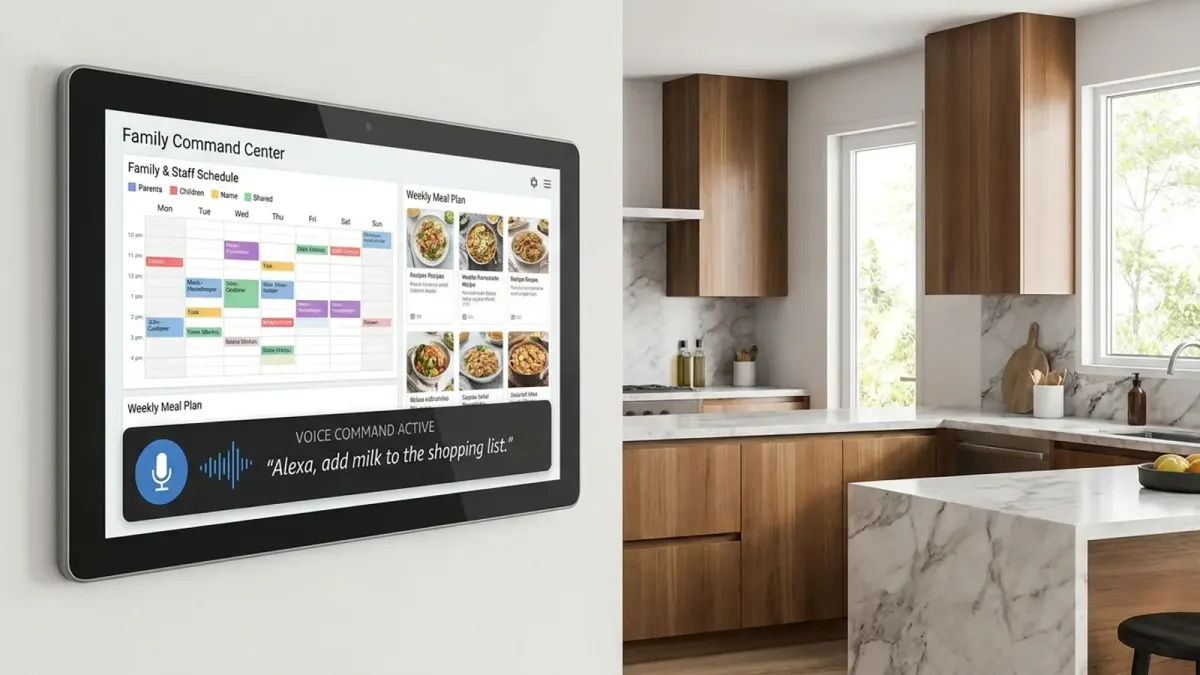
Recipes are rarely static. A standard family meal might require modifications based on who is home for dinner or what fresh ingredients are left in the refrigerator. Using a helper management app workflow, you can update recipe notes, cooking methods, and ingredient swaps directly. When a change is made, it instantly synchronizes across all devices, ensuring that your culinary support team always executes the most current version of a dish.
Practical family scenarios often demand immediate pivots. If soccer practice runs late and dinner needs to be pushed back by an hour, or if an unexpected guest joins the table, updating the master recipe card or meal plan instantly informs the cooking staff. They can scale ingredient proportions or adjust resting times without playing phone tag with busy parents, resulting in a seamless dining experience regardless of schedule disruptions.
Automating Daily Meal Workflows in Home Run
Bringing operational harmony to your household requires connecting what you plan to eat with what you actually have on hand. Home Run bridges this gap by aligning grocery lists with daily schedules and task delegation.
When meal plans, inventory tracking, and prep tasks operate as isolated silos, kitchens experience sudden bottlenecks. A cook might start preparing a dish only to realize a key spice is missing, triggering a frantic text message or an unplanned grocery run. By automating and integrating these workflows into a cohesive daily rhythm, households can ensure that preparation flows smoothly from pantry inspection to final plating.
Connecting Meal Plans to Grocery Inventories
Kitchen mishaps often happen when a recipe calls for an ingredient that was never purchased or has already run out. By leveraging an automated meal planner tied directly to your household inventory, you ensure complete alignment. Domestic staff can check active grocery stocks and meal plans simultaneously, preventing last-minute trips to the store or panicked text messages during the middle of the workday.
This inventory-linked approach transforms how domestic helpers interact with household supplies. Instead of guessing whether there is enough organic chicken broth or gluten-free flour in the pantry, staff members can view real-time stock levels updated by family members or automated grocery orders. If an item is running low, helpers can flag it directly within the system, ensuring that shopping lists are always accurate and comprehensive before weekly trips are made.
Empowering Helpers Through Autonomous Task Execution
The ultimate goal of any household management app is to foster independence. When daily prep duties, recipe instructions, and timing schedules are organized neatly into a nanny schedule organizer and kitchen task list, staff members can self-manage. They pull up their daily assignments, execute prep work accurately, and track completion without requiring a single verbal reminder from you.
Empowerment through structure changes the daily atmosphere of a home. Domestic staff members thrive when they have clear expectations and the autonomy to manage their time efficiently. By reviewing their structured daily schedule—knowing precisely when chopping should start, when marinating needs to occur, and when dietary guidelines apply—cooks and nannies operate with confidence and professionalism. Employers, in turn, regain their time and enjoy meals prepared with precision, completely free from the friction of micromanagement.